How to Help a Dog With Separation Anxiety: Gentle Steps That Can Help
Quick answer: To help a dog with separation anxiety, start by practicing very short absences and slowly make them longer, so your dog learns that you always come back. Keep your comings and goings calm. Give your dog exercise before you leave and a safe chew or food puzzle while you are gone. Do not punish your dog for accidents or damage, since that can make fear worse. If your dog is very stressed, talk to your vet. They can check for health problems and may suggest a trainer or treatment.
Separation anxiety is when a dog becomes very upset when left alone. It is hard on dogs and on their owners. The good news is that many dogs get better with patience.
Signs of Separation Anxiety
Common signs when your dog is alone:
- Barking, howling, or whining that does not stop.
- Chewing or scratching doors, windows, or crates.
- Potty accidents in a house trained dog.
- Pacing, drooling, or panting.
- Trying hard to escape.
These signs usually happen soon after you leave. A dog that chews only when bored may have a different problem. A camera can help you see what really happens while you are gone.
Step 1: Talk to Your Vet
Some health problems can cause accidents or restlessness. Your vet can rule these out and help you plan. For serious cases, your vet may suggest a behavior expert or medicine.
Step 2: Practice Short Absences
- Step outside for a few seconds, then come back in calmly.
- Do it again and again until your dog stays relaxed.
- Slowly add time: 30 seconds, 1 minute, 5 minutes, and so on.
- Go back to shorter times if your dog gets upset.
The goal is to stay under the point where your dog panics. This can take weeks. Slow progress is still progress.
Step 3: Make Exits and Returns Boring
Do not make a big fuss when you leave or come home. Wait until your dog is calm before you say hello. This helps your dog see your coming and going as normal.
Step 4: Change Your Cues
Many dogs get upset when they see you grab keys or put on shoes. Pick up your keys and then sit down. Put on your coat and watch TV. Over time, these cues stop meaning “I am leaving.”
Step 5: Exercise and Enrichment
Before you leave:
- Take your dog for a walk. See how to walk a dog on a loose leash.
- Play a game to burn off energy.
While you are gone:
- Give a long lasting chew or a food puzzle toy.
- Leave soft music or the TV on, if your dog seems to like it.
Step 6: Create a Safe Space
Set up a comfy spot with a bed and a favorite toy. Some dogs feel safe in a crate. Others feel trapped. Watch your dog to see what works. If you use a crate, see how to crate train a puppy for gentle steps.
What Not to Do
- Do not punish your dog for damage or accidents.
- Do not leave for long periods too soon.
- Do not assume a second dog will fix it. Sometimes it helps, but often it does not.
Get Help If You Need It
Separation anxiety can be hard to fix alone. A qualified trainer or a vet who focuses on behavior can make a plan for your dog. For barking problems, also read how to stop a dog from barking, and for chewing, see how to stop a dog from chewing.
Note: This post is general information, not veterinary advice. Talk to your vet about your own dog.
Keep Reading on This Site
- How to Teach a Dog to Shake: 5 Easy Steps for a Fun First Trick
- How to Brush a Dog's Teeth: 6 Easy Steps for a Healthier Mouth
- How to Trim Dog Nails at Home: 7 Calm Steps for You and Your Dog
- How to Clean a Dog's Ears: 7 Gentle Steps at Home
- Dog Training at Home
- Dogs Treatment: How to cure your dog's upset stomach
Frequently Asked Questions
What are the signs of separation anxiety in dogs?
Common signs include nonstop barking or howling, chewing doors or windows, potty accidents, pacing, drooling, and trying to escape when left alone.
How do I start helping my dog with separation anxiety?
Talk to your vet first, then practice very short absences and slowly make them longer while keeping exits and returns calm.
Should I punish my dog for chewing when I am gone?
No. Punishment can make fear worse. Focus on building your dog's confidence instead.
Will getting another dog fix separation anxiety?
Sometimes it helps, but often it does not, because many dogs are attached to their person, not just company.
When should I get professional help?
If your dog hurts itself, causes a lot of damage, or does not improve, talk to your vet or a qualified trainer.
Dog camera picks on Amazon
As an Amazon Associate I earn from qualifying purchases.
Shop pet cameras on Amazon
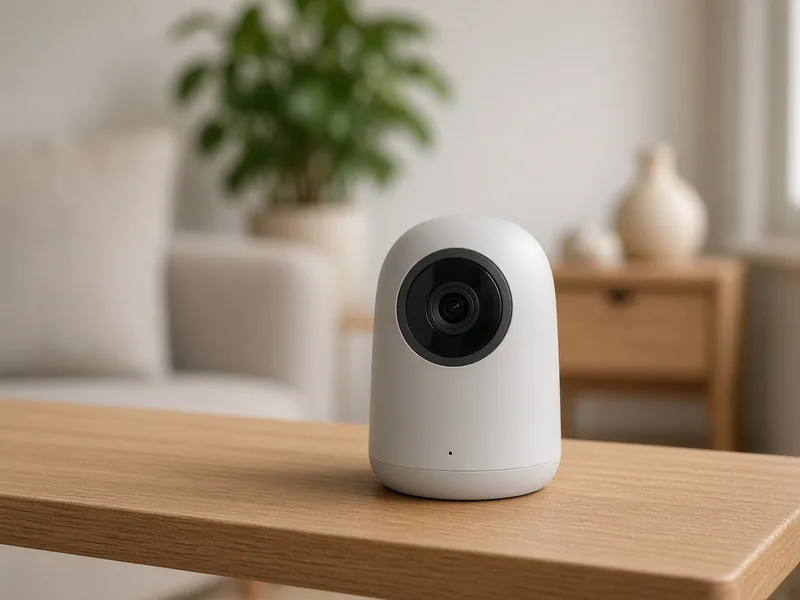
Pet cameras
A camera can help you check on your dog when you are away. It does not treat fear or anxiety by itself. One model to look at is the Furbo 360 dog camera. You can also browse Furbo cameras or look at other pet cameras.